Ping pong ball dispay
From wikiluntti
Introduction
-
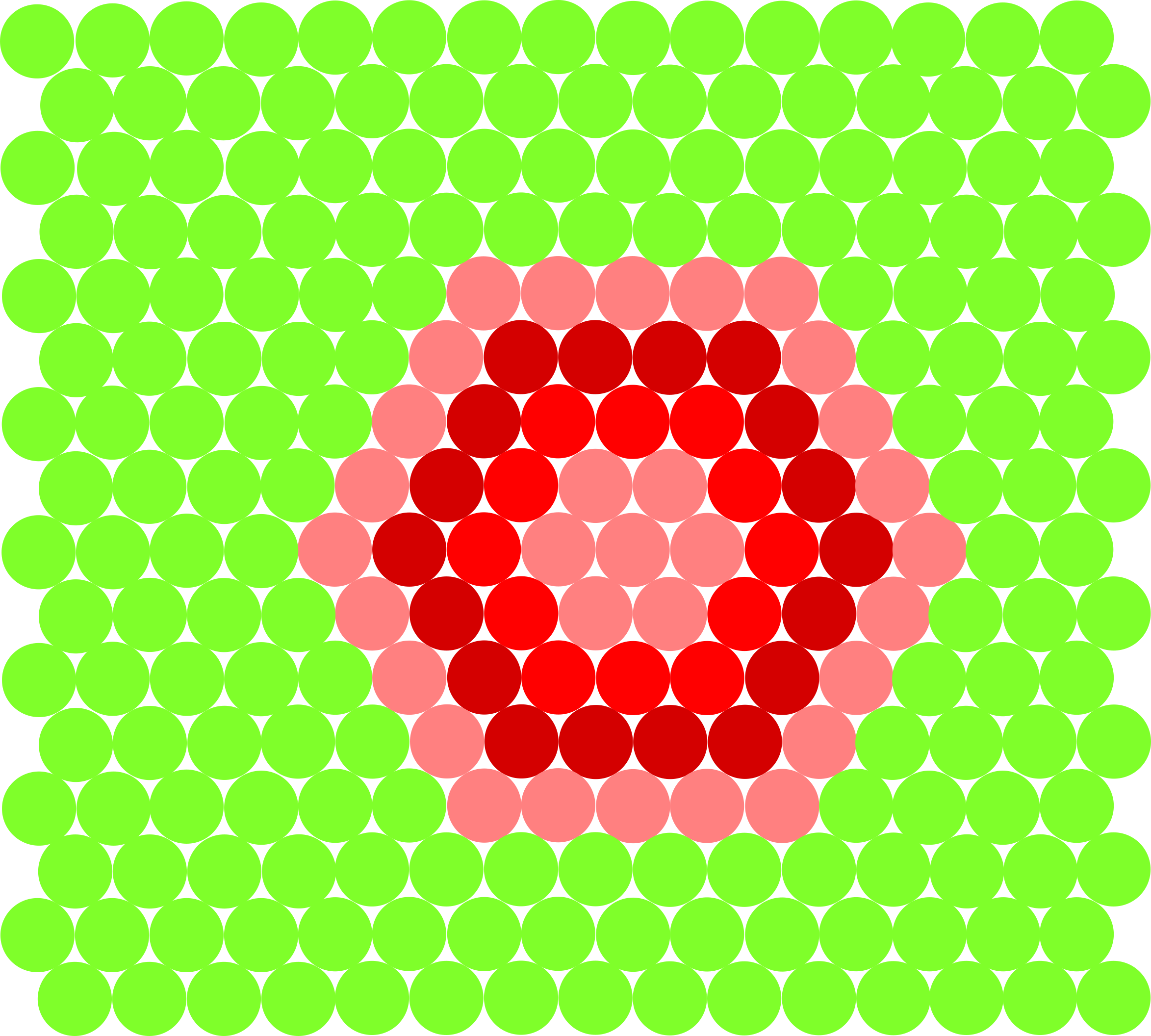
-
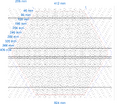
-
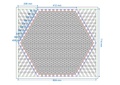 A3 PDF version to be printed


Ping Pong ball (table tennis) display using WS2812B and Raspberry Pi Camera.
16 × 16 = 256 balls, or hexagonal grid, tesselation?
- More visually interesting
- Uniform neighbors
- Natural expansion
- No diagonal-neighbor ambiguity:
- The geometry feels less rigid:
https://wiki.luntti.net/index.php?title=File:271_hex_layout_A4.pdf
Hexagonal 1 + 6 + 12 + 18 + 24 + 30, always six (6) more. Thus
| Layer n | Added | Total |
|---|---|---|
| 0 | 1 | 1 |
| 1 | 6 | 7 |
| 2 | 12 | 19 |
| 3 | 18 | 37 |
| 4 | 24 | 61 |
| 5 | 30 | 91 |
| 6 | 36 | 127 |
| 7 | 42 | 169 |
| 8 | 48 | 217 |
| 9 | 54 | 271 |
Mechanical structure
-
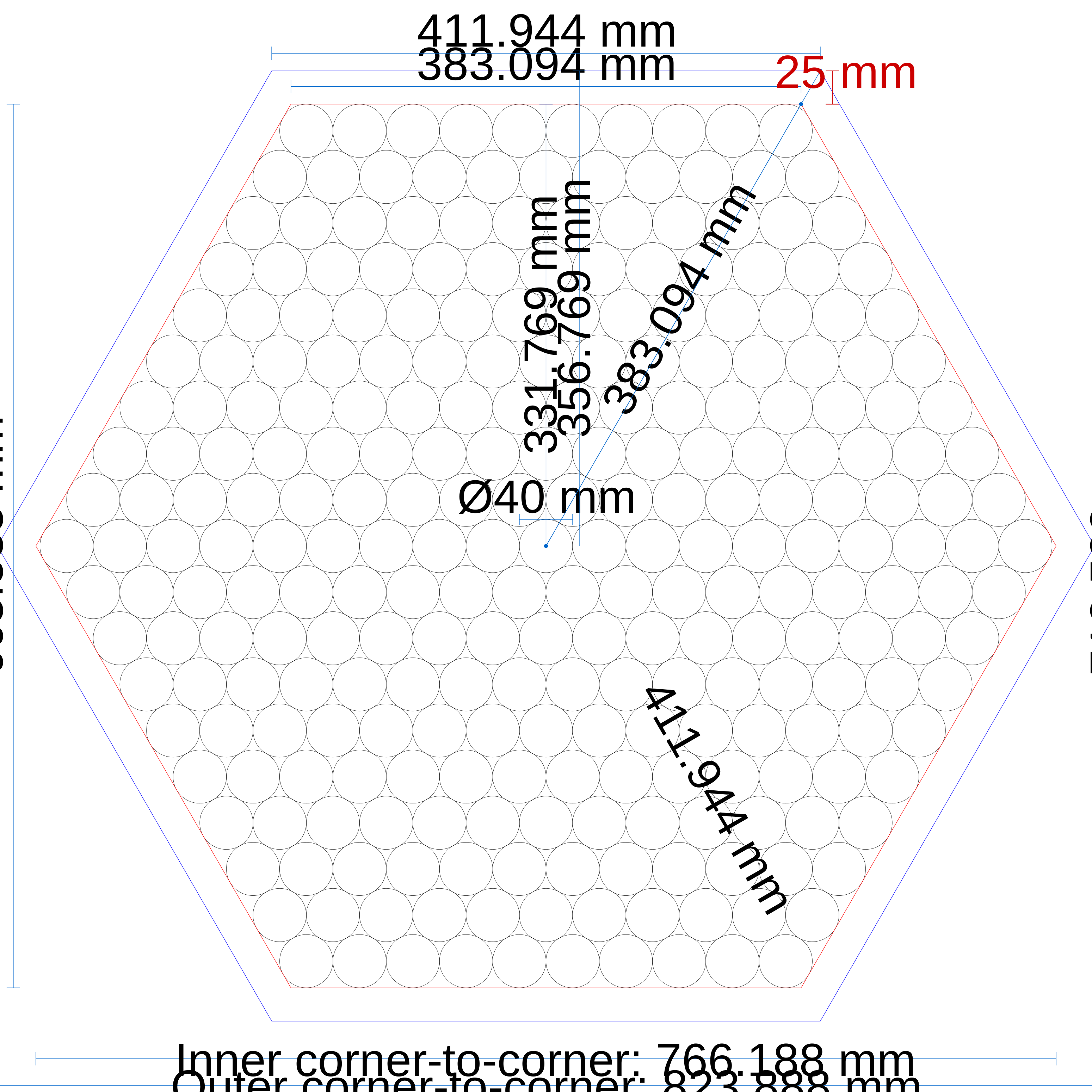 The dimensions and picture. The dimensions are on the other layer, so those can be hidden. Inkscape shows the texts on the right position.

Diameter of ping pong ball is 40 mm. Centers 40 mm apart horizontally and 34.641016 mm apart vertically.
Inner hexagon:
- center → flat side: 331.769 mm
- center → corner: 383.094 mm
- flat side length: 383.094 mm
- across flats: 663.538 mm
- across corners: 766.188 mm
Outer hexagon:
- center → flat side: 356.769 mm
- center → corner: 411.944 mm
- flat side length: 411.944 mm
- across flats: 713.538 mm
- across corners: 823.888 mm
- Distance between the two hexagons: 25 mm


